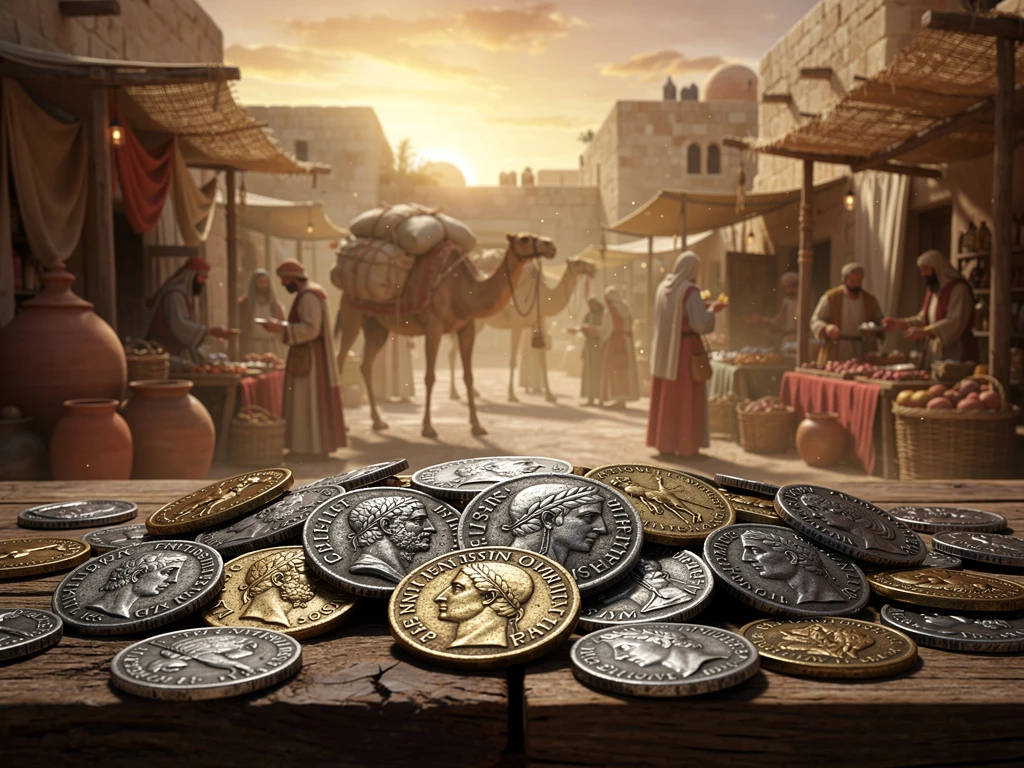
The story of faith and currency.
The Bible is not just a spiritual book, but also a historical account of ancient civilizations, their economies and the coins that passed through their hands. Coins used in the Bible provide a concrete link to the past, showing the economic, political and cultural context of biblical history from the shekel of Tyre to the denarius of the Roman Empire.
Ancient coins are not just artifacts, they are a snapshot of the lives of people who lived through the events recorded in scripture. From the tribute penny Jesus was questioned about to the gold daric of the Persian Empire, every coin is a story of trade, power and faith.
This article will delve into the intriguing relationship between Bible history and ancient coins, and how numismatics can help illuminate the world of the Bible. If you're looking to learn more, the https://coinpilot.pt/ official site is a wealth of information on biblical and ancient coinage.
The use of coins in the ancient near east.
The story of the invention of money.The origins of money in Mesopotamia.
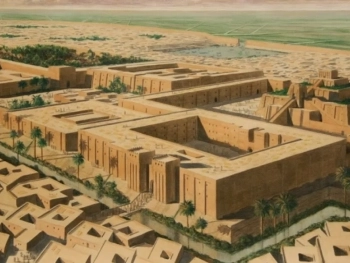
Mesopotamia (the land between the Tigris and Euphrates rivers) was the birthplace of early economic systems long before coins were invented. Barter systems and weights of silver and grain were early forms of currency used by the Sumerians and Babylonians.
- Shekel and Mina: The shekel, a weight and currency, was used in Mesopotamia approximately 2000 BCE. It was commonly silver, and was exchanged throughout the ancient Near East. The code of Hammurabi (c. 1750 BCE) even prescribed the amount of silver to be used in transactions, which was one of the earliest legal systems for currency.
- Lydian Lion: While not directly mentioned in the Bible, the Lydian Lion (7th century BCE), the world’s first standardized coin, revolutionized trade in Anatolia. Its reach extended to other areas, such as those that were part of biblical stories.
The official site provides in-depth information on the history of early currency, making it a valuable resource for collectors of Mesopotamian numismatics.
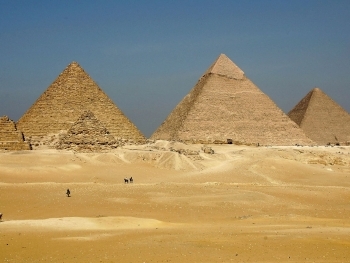
Egypt is the land of gold and trade.
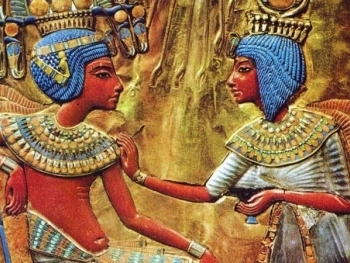
Gold, grain, and a well-developed economy were the bases of Egypt's wealth. The Egyptians used barter and weighted metals (deben and kite) but the influence they had on the economies of the Bible was great.
- Gold of Egypt: The Pharaohs had extensive gold supplies, especially from Nubia. In Genesis 13:2, the Bible records that Abram (later Abraham) was "very rich in livestock, in silver, and in gold". The gold daric is a coin of the Persian empire which eventually became a standard coin in the ancient world, including in the biblical lands.
- The Exodus (c. 13th-12th century BCE) was a turning point for the Israelites, who were led out of Egypt with "articles of silver, gold, and clothing" (Exodus 12:35-36). This plunder may have been Egyptian gold and jewels, which were melted down or remolded in Canaan.
The Israelites: From barter to coinage.
The economy of the early Israelites.
In the Iron Age I (c. 1200–1000 BCE), the Israelites used barter and weighed metals. The shekel (Hebrew: שקל) was a weight, typically used for silver, and was also used in the Bible as a measure of trade and tribute.
- The Shekel in the Bible: The shekel of Tyre is a silver coin that was minted in the city of Tyre in Phoenicia, and by the 5th century BCE was the main currency of Judah and Israel. It is mentioned in Ezekiel 45:12 and was probably the coin used to pay the Temple tax (Matthew 17:24-27).
- The Temple Tax and the Tyrian Shekel: The half-shekel tax for the Temple in Jerusalem was to be paid in Tyrian Shekels, which had a high silver content and were of high purity. The image of the god Melqart of Tyre on this coin is a curious example of the interactions of biblical practice with the wider ancient economy.
The United Monarchy: David, Solomon and the Birth of Trade
Under King David and King Solomon, Israel became a major player in regional trade. The First Temple in Jerusalem, built by Solomon, was not only a religious center, but also a center for economic activity.
- Solomon's Wealth: The Bible records that Solomon was very wealthy, with 666 talents of gold annually (1 Kings 10:14). This gold was probably obtained through trade with Ophir, Sheba and Egypt, and from mining in the Arabah Valley.
- Trade Routes and Coinage: Israel did not issue its own coins in the United Monarchy, but it did engage in a barter economy, and in the use of foreign coins, including the Egyptian deben and the Mesopotamian shekel. In Israel, the excavations at Tel el-Far'ah have revealed weights and measures that match the Bible.
The Divided Kingdoms: Judah and Israel’s Economic Divergence
Solomon died and the kingdom became divided into Israel (North) and Judah (South). Both developed their own economic systems, with a strong influence from their neighbours.
Trade and Assyrian influence in the Kingdom of Israel
- Samaria's Economy: Samaria was the capital of the northern kingdom, and it was a thriving trade center. At Samaria, excavations have uncovered ivory carvings and luxury items, which suggest its wealth and ties to Phoenicia and Assyria.
- Assyrian Coinage: Assyria's empire expanded and it adopted a standard coinage system in the 8th century BCE. The Israelites would have seen shekels and talents for tribute and trade that were used by the Assyrians.
The Shekel of Judah was the currency used in the Kingdom of Judah.
- By the 5th century BCE, Judah started to mint its own coins, including the "YHD" (Yehud) coinage, which had the inscription "YHD" (which is the Persian name for Judah). They are small silver coins, usually with a lily or pomegranate on one side, and used for local trade or Temple offerings.
- The Judeans were exiled to Babylon after the fall of Jerusalem in 586 BCE, where they came across the Babylonian shekel and gold daric. Silver, gold and goods were brought back to Judah by the exiles to rebuild the Temple (Ezra 1:4-11).
The Daric and the Return from Exile are both part of the Persian Period.
Judah was relatively stable and prosperous under the Persian rule (539-332 BCE). A gold coin, the Persian daric, was introduced by Darius I and was used throughout the Persian empire, including in Judah.
- The Daric in the Bible: The daric was used to finance the reconstruction of the Temple in 1 Chronicles 29:7 and Ezra 2:69. It was widely used, making trade and taxation in the Persian Empire easy.
- The Elephantine Papyri: These documents, found in Elephantine (Egypt) in the 5th century BCE, document the use of silver shekels and darics in Jewish communities, and thus provide direct evidence of the economic systems of the time.
The Hellenistic Period: Greek Coins and the Maccabees
Alexander the Great conquered the biblical world (332 BCE) and brought Greek coinage with him. Coins were issued by the Ptolemies and Seleucids, which were in circulation in Judea, such as the tetra drachm and the bronze coins.
- After the Maccabean Revolt (167-160 BCE), the Hasmonean dynasty established independence and started to issue their own coins. To avoid the use of human images in violation of biblical laws against idolatry, the Hasmonean shekel and prutah (a small bronze coin) were embellished with Jewish symbols, such as the lily and pomegranate.
- The Widow's Mite: The prutah is also well known from the New Testament (Mark 12:41-44; Luke 21:1-4) and is the subject of Jesus' commendation for a poor widow who gave two small copper coins (lepta) to the Temple treasury.
The Roman Period: The Denarius and the New Testament
The Roman denarius was the most common coin in Judea at the time of Jesus. Coins were an integral part of everyday life, and are mentioned many times in the New Testament.
- The Tribute Penny: Matthew 22:15-22, The Pharisees try to entice Jesus into a response on whether it is lawful to pay taxes to Caesar. Jesus replies that he wants a denarius (a coin stamped with the image of the Emperor Tiberius) and famously says, "Give to Caesar what is Caesar's, and to God what is God's.
- The Thirty Pieces of Silver: Judas Iscariot's betrayal of Jesus for thirty pieces of silver (Matthew 26:15) probably refers to the Tyrian shekels or Roman denarii that were the standard silver coins of the time.
- The Parable of the Talents: Matthew 25:14-30 is the Parable of the Talents, which tells of a master who gives his servants talents (a large sum of money, 6,000 denarii). The economic realities of the Roman world are emphasized in this parable, in which investment and wealth were important concerns.
The Biblical Coins Collection is a window into the past.
Biblical coins are a real link to the world of the Bible for modern collectors. Each coin is a testament to faith, power, and daily life in ancient times, whether it be a Tyrian shekel, a Hasmonean prutah, or a Roman denarius.
- Why Collect Biblical Coins?:
- Historical Significance: Biblical coins provide a direct link to the events and people of the Bible.
- Artistic Value: There are many ancient coins with elaborate designs, such as the lily of Judah or the eagle of Rome.
- Value: Rare biblical coins can appreciate in value, and therefore are a rewarding pastime for collectors.
- For the novices, the official website of coinpilot.pt is a great resource to start from. It provides information about how to identify, authenticate and collect antique coins, and offers some information about the historical and biblical context.
The legacy of Biblical coins continues to this day.
Coins have been an important part of the economic and cultural history of the Bible from the shekel of Tyre to the denarius of Rome. They provide a special insight into the daily lives of ancient people, the rise and fall of empires, and the spread of faith throughout the ancient world.
The study of ancient coins is a voyage into history for those who are interested in the history of the Bible and the history of money. If you want to learn more, or build your own collection, then coinpilot.pt's official site is the right one.
So, are you ready to learn about biblical coins? To find out more about ancient numismatics and to begin your own collection, visit the official site!
Bible History Hasmonean Coins Persian Daric Coin Collecting Denarius Shekel of Tyre Numismatics Ancient Currency Biblical Coins