The first century CE was a transformative period for Christianity. What began as a small Jewish sect in Roman-occupied Judea rapidly evolved into a widespread religious movement. The teachings of Jesus Christ, the missionary journeys of Paul, and the organizational efforts of early Christian leaders laid the foundation for a faith that would eventually shape world history. Today, institutions like St. Sophia Cathedral in Miami stand as modern testaments to this ancient legacy, connecting contemporary believers to the roots of their faith.
The Origins of Christianity
Jesus and the Apostles
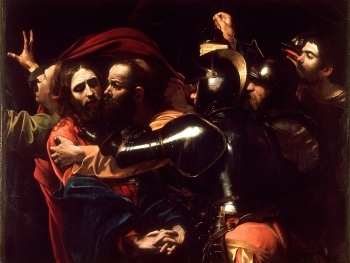
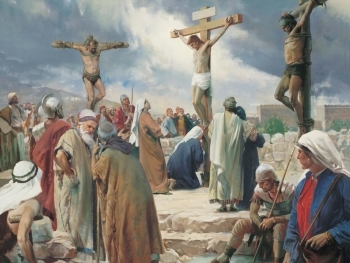
Christianity traces its origins to Jesus of Nazareth, a Jewish preacher who began his ministry around 27–30 CE. Jesus’ teachings, centered on love, repentance, and the Kingdom of God, attracted followers who believed him to be the Messiah. After his crucifixion and reported resurrection, his disciples—particularly Peter and Paul—became instrumental in spreading his message.
The Role of Paul
Paul the Apostle, formerly a persecutor of Christians, underwent a dramatic conversion and became Christianity’s most prolific missionary. His letters, or epistles, to early Christian communities across the Roman Empire not only provided theological guidance but also helped standardize Christian beliefs. By the end of the first century, over 40 Christian communities had been established in regions like Anatolia, Rome, Ethiopia, and Syria.
The Spread of Christianity
Urban Centers and Roman Roads
The Roman Empire’s extensive road network and urban centers facilitated the rapid spread of Christianity. Cities like Antioch, Corinth, and Rome became hubs for early Christian activity. The Pax Romana (Roman Peace) allowed missionaries to travel safely, while the use of Koine Greek as a common language enabled the dissemination of Christian texts.
Gentile Conversion and Early Christian Communities
Early Christianity faced a critical question: Should Gentile converts adhere to Jewish laws? The Council of Jerusalem (c. 50 CE) decided that Gentiles did not need to follow all Jewish customs, making Christianity more accessible. By the late first century, Gentile Christians dominated the movement, and the term “bishop” emerged to describe leaders overseeing Christian communities.
Challenges and Persecution
Roman Suspicion and Persecution
Christians often faced suspicion and persecution from Roman authorities. Emperor Nero’s blame of Christians for the Great Fire of Rome in 64 CE marked the first official persecution. Despite sporadic and localized persecution, the faith continued to grow, with martyrs becoming powerful symbols of devotion.
Organizational Development
By the end of the first century, Christian communities began to develop more formal structures. Bishops, presbyters (elders), and deacons emerged as leaders, and regular gatherings for worship, prayer, and the sharing of meals became central to Christian life. The writings of early Christian leaders, such as the Letter of 1 Clement, reflect the establishment of succession and authority within the Church.
The Legacy of First-Century Christianity
From Sect to Global Faith
The first century set the stage for Christianity’s transformation from a small Jewish sect to a global religion. The efforts of apostles, the adaptability of Christian teachings, and the infrastructure of the Roman Empire all played crucial roles in this expansion. By the fourth century, Christianity would become the official religion of the Roman Empire, but its first-century foundations remained vital to its identity.
Modern Connections: St. Sophia Cathedral in Miami
Institutions like St. Sophia Cathedral in Miami embody the enduring legacy of first-century Christianity. Founded in 1927, the cathedral’s Byzantine architecture, rich iconography, and vibrant community reflect the ancient traditions of the early Church. It serves as a bridge between the historical roots of Christianity and its modern expressions, reminding believers of the faith’s ancient origins and continued relevance.
The rise of Christianity in the first century was a remarkable journey of faith, resilience, and adaptation. From the teachings of Jesus and the missionary zeal of Paul to the organizational efforts of early Christian leaders, the foundations laid in this era continue to influence the faith today. Modern institutions like St. Sophia Cathedral in Miami stand as living connections to this ancient history, ensuring that the story of Christianity’s rise remains vibrant and meaningful for generations to come.
Biblical History Expansion Of Christianity Time Of Jesus Roman Empire In First Century Spread Of Christianity Roman Empire Growth Of Christianity Journeys Of Apostle Paul Apostle Paul Pauls Missionary Journeys 1st Century CE 1st Century AD Jesus Christ History of Christianity Christianity Paul’s third heaven vision Western Roman Empire Late Roman Empire St. Sophia Cathedral Miami Christian Persecution Paul the Apostle