Ministry is a people-facing role in the truest sense.
Every interaction carries weight, whether that is a conversation after a service, a visit to someone going through difficulty, or simply being seen in the community.
How a pastor presents themselves, the way they carry their presence and represent their role, shapes how others experience them.
Even practical choices, like wearing clergy shirts that look sharp and feel comfortable through a full day, quietly contribute to the impression that professionalism leaves behind.
Why First Impressions Carry More Weight in Ministry
People bring a great deal to their interactions with clergy.
Hope. Grief. Uncertainty. Questions they have been sitting with for a long time. In many cases, the moment they reach out or walk through a church door is one that took considerable courage.
What they encounter in those first moments matters. A pastor who is composed, present, and visibly prepared communicates something before a single word is spoken. It signals that this is a safe place. That they are expected. That someone is ready to meet them properly.
Professionalism in ministry is not about performance. It is about removing barriers to trust.
The Difference Between Being Present and Simply Being There
Showing up is the baseline.
True presence is something different. It is the quality of attention a pastor brings to a conversation, a service, or a pastoral visit. The ability to be fully in the room, undistracted and genuinely engaged with the person in front of them.
This is harder to maintain than it sounds. Long days, back-to-back responsibilities, and the physical demands of an active ministry schedule all pull at that capacity. When energy is low and discomfort creeps in, focus follows.
Which is why the practical conditions that support sustained presence matter more than they are given credit for.
Professionalism as a Form of Respect
There is a version of professionalism that feels cold or corporate. That is not what ministry calls for.
But there is another version. One rooted in respect for the people being served. Turning up prepared. Being consistent. Maintaining a standard across the full breadth of the role, not just on Sunday mornings but through hospital visits, community events, counselling sessions and everything in between.
That kind of professionalism is a quiet form of care. It tells people that they are worth the effort.
The Small Details That Support a Bigger Standard
Pastors are rarely focused on how they look. The role draws people who are far more interested in others than in themselves.
But the congregation notices. The community notices. And over time, the details that contribute to a polished, reliable presence add up to something that either reinforces or undermines the trust a pastor works to build.
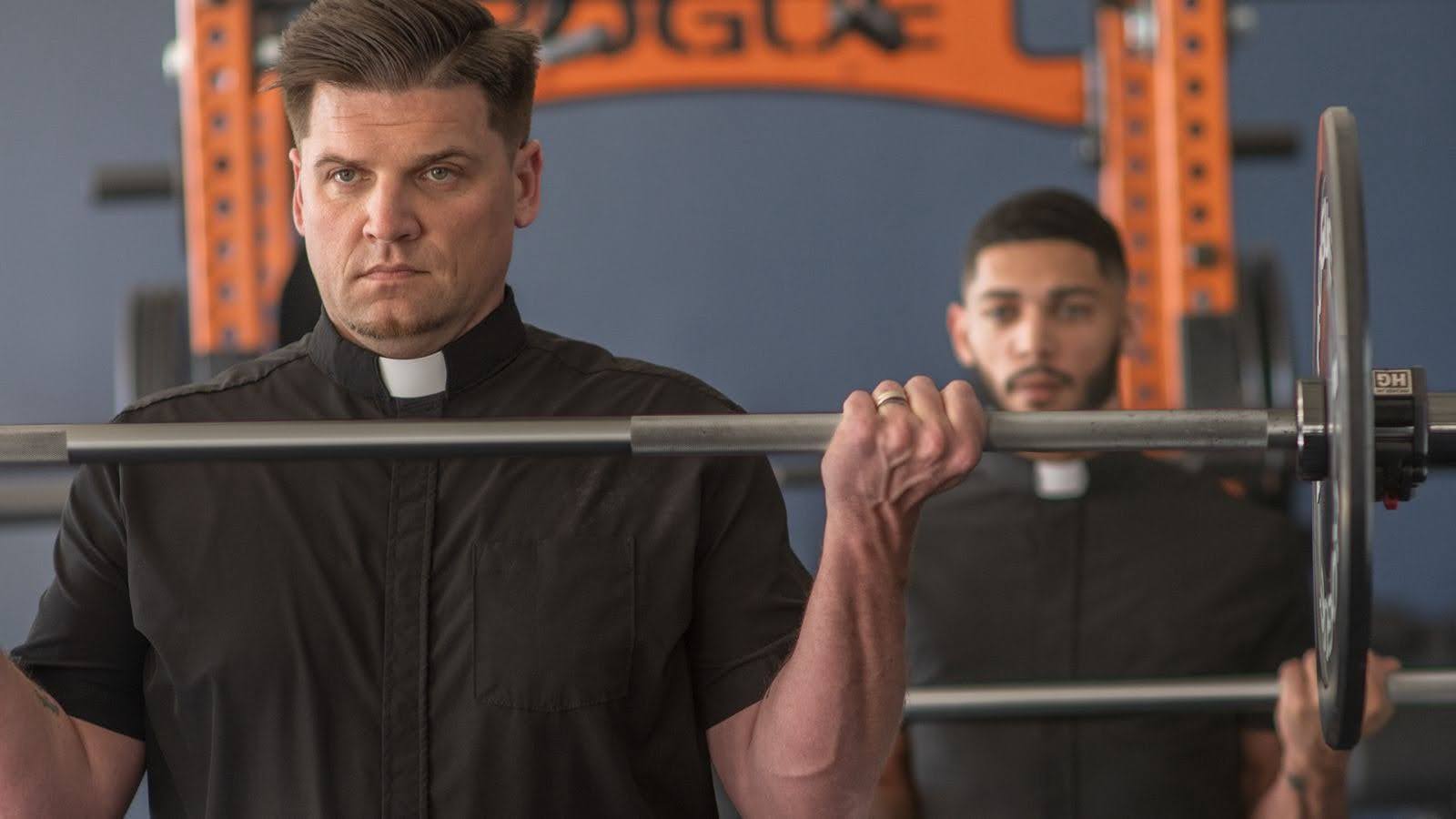
Thoughtfully chosen performance clergy shirts sit within this category. Designed to remain comfortable and presentable through long, varied days of ministry, they remove one small source of friction and help maintain a consistent standard without requiring constant attention.
Conclusion
Presence and professionalism are not about image for its own sake. In ministry, they are tools in service of something much more important: making people feel seen, welcomed and properly cared for.
The pastors who maintain that standard consistently, across every part of their role and every type of day, understand that it is the accumulation of small, deliberate choices that makes the difference.
Not just on the days when everything goes to plan. But especially on the days when it does not.
Faithful Service Pastor Respect Comfortable Clergy Wear Church Leadership Ministry Trust Pastoral Care First Impressions Clergy Shirts Pastor Professionalism